







background

Book Of The Fallen In Denmark: Play With Control

Get control over deposits, pace, and breaks, and play in Denmark under 18+ rules with limits, so the session ends on your terms.

Book of the Fallen
Book of the Fallen

How To Read Book Of The Fallen RTP In Denmark

Imagine you have a short break and want to choose a game quickly. You see a number for the return to player percentage and think: “Okay, this must be safe.” The problem is that the number only makes sense if you know how it works over time and across many spins.

The return to player percentage (often referred to as RTP) is an average, not a promise for your next session. It can be useful when comparing games and trying to understand how a game typically behaves in the long run, but it doesn't tell you if you will win tonight. This is especially important in 2026, where many play on mobile in short bursts - and short bursts can feel very random.

Therefore, think of the number as one data point among several. Ask yourself: How long do I plan to play? Which bet suits my budget? And have I set a limit so I don't chase losses? When you combine these questions with a calm session plan, the return to player percentage becomes a tool - not a trap.

There's also a psychological trick many fall for: one sees a "nice" number and sets expectations too high. If you go in with the expectation that the number describes your upcoming hour, you'll get frustrated when variance hits. Instead, go in with a plan where you accept fluctuations and use breaks actively.

All promotional incentive structure is clearly stated in writing and/or via electronic means in an easily understood manner. All codes are accompanied by an explanation of what the code is for, who is eligible to use the code, and how it should be used. As such, players are less likely to be confused about what is required of them in order to receive a reward and how the reward will be applied after receiving it. The promotional incentives provided to participants provide them with time to become familiar with the gaming system's mechanics, their interface, and progress, before deciding how deeply they wish to become involved with this platform. Therefore, players are encouraged to participate in an informed manner, rather than being pressured or tempted to act quickly.

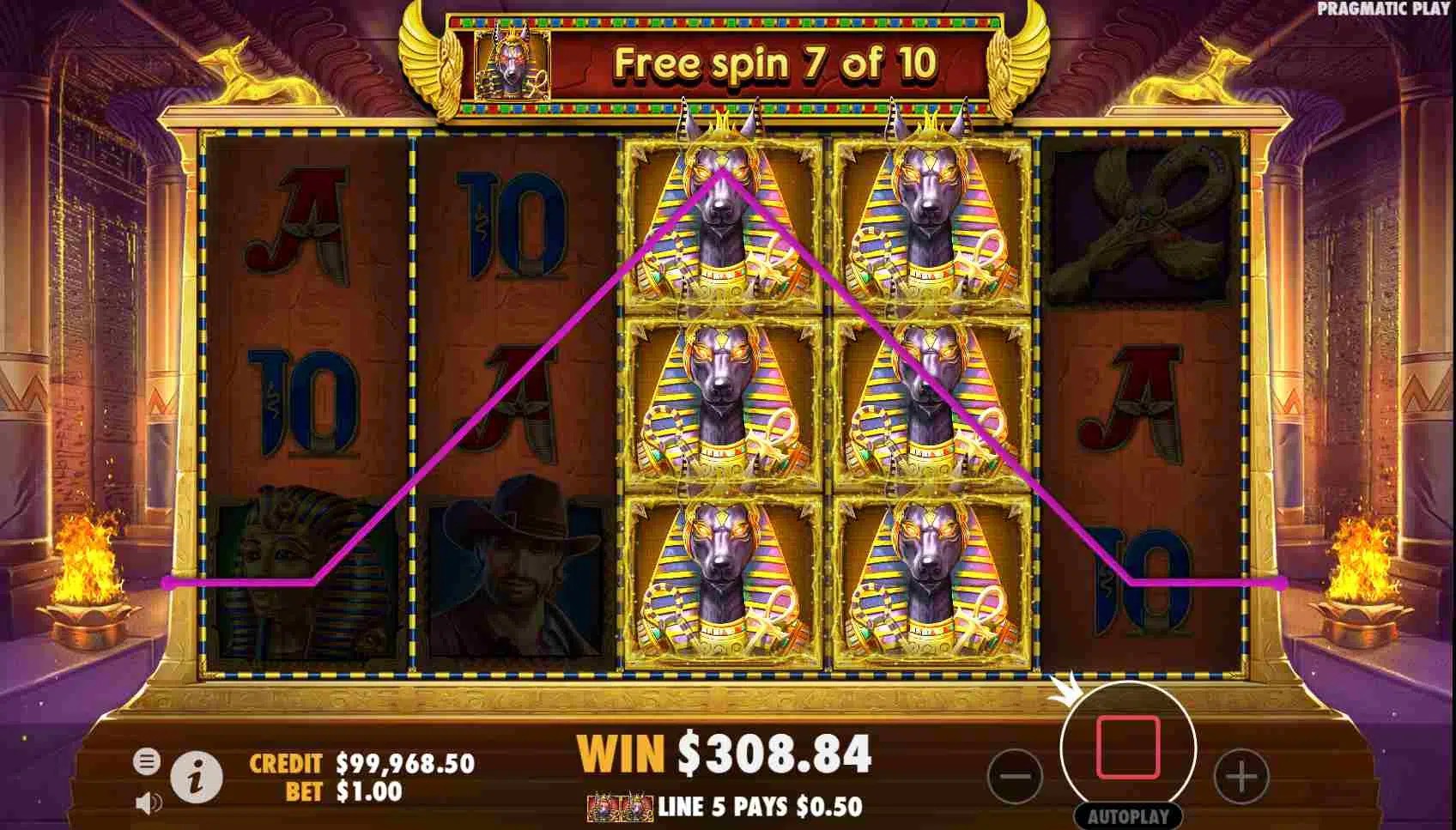
review image 1
Book of the Fallen

Top casinos for playing Book of the Fallen — current list

ALF Casino
ALF Casino
Mafia Casino
Mafia Casino
LeoVegas
LeoVegas
Book of the Fallen Betway
SG Casino
Book of the Fallen Betano
Retro Bet
Book of the Fallen

What To Look For Before The First Spin

If you open the game and just press start, you often play with your emotions as the guide. Imagine you've just had an annoying day and want to "switch off your brain". Many do exactly that - and end up extending the session because they didn't set an end time from the beginning.

Start with the practicalities. Are you 18+ and ready to play under current rules in Denmark? Do you have an amount you can truly afford to lose as entertainment? And have you decided what will make you stop - a time alarm, a budget cap, or just a clear “that's enough for now” rule?

Next comes the game experience. Some games feel fast and intense, others calmer. If you prefer short sessions, it's often smarter to keep the stakes low and focus on the rhythm rather than chasing big swings. Conversely, if you want a longer session, it helps to make the session “boring” in a good way: the same stake level, few changes along the way, and a fixed break after a certain number of spins.

Finally: make it easy for yourself to make good choices. Turn on notifications related to security and session control, and keep the rest off. You don't need temptations on the screen if the goal is a calm experience.

review image 2
Book of the Fallen

Game Setup: Budget, Pace, and Routines

Imagine you only want to play for 10 minutes, but you haven't set a timer. You think you'll “feel it out.” Often, you only feel it out once you're already caught in the next round. Routines are about removing these kinds of in-game negotiations.

Set up your account in two phases: first the account and security, then the cash flow. Many mix everything together while they're excited. The typical result is: too high a deposit, unclear limits, and a session that goes off track.

Deliberately keep the pace low at the start. You shouldn't “find the rhythm” by speeding up. You should find the rhythm by doing fewer things: choose your stake, keep it stable, and take a break when you get too eager. That's how you gain control without feeling like you're fighting yourself.

Account, Age, and Quick Start

Imagine you want to play a quick round but are stopped by an age verification step you postponed yesterday. So there you are, slightly annoyed, having already “lost” the good intention. The best solution is boring: get the necessary verifications in place while you are calm.

Use information consistent with your identity and ensure your contact details actually work. In Denmark, 18+ verification steps can appear at times when you least want extra friction. If you get it resolved early, you make your future access more stable.

Also, create a simple security routine: a strong password, screen lock on the device, and a habit of logging out when you're done. It takes a few seconds, but it saves you from the most annoying type of problems - those that arise when a session is left open.

Depositing Without Overdoing It

Imagine you see a new game, get curious, and think: “I'll just deposit a little more.” Five minutes later, “a little more” has become a habit. Therefore, deposits should be managed as a pre-game decision, not an in-game solution.

Set an amount you can live with spending as entertainment and stick to it. If you want to make it even easier, plan a fixed stake that fits your budget so you don't have to “adjust” all the time. It's often the adjustments that make a session messy.

When choosing a payment method, select one you understand and can control. It's not about finding a “smart” solution, but about minimizing errors: duplicate attempts, unclear statuses, and impulse purchases. If a transaction appears to be pending, do not repeat it immediately. First, check your history and wait before doing anything again.

Mobile Gaming in 2026: Small Habits, Big Impact

Imagine you're playing on your mobile on the bus. The network fluctuates, you get a notification, and you tap a little too quickly. These kinds of situations are perfect for small errors that later feel big. Therefore, your mobile habits should be simple and robust.

Maintain one connection at a time and avoid switching networks in the middle of a confirmation. Turn off extreme power saving if it causes apps to “sleep,” as codes and messages might arrive too late. And if something freezes, close the app completely and restart – better one clean restart than ten small clicks that lock you up.

Also, create a clear stop rule: If you feel stress, irritation, or an urge to recover losses, the break is not “optional.” It's part of the plan. It sounds harsh, but in practice, it brings peace of mind.

Security and Privacy on Shared Devices

Imagine you use a shared computer “just for a moment.” You forget to log out. The next person opens the browser, and suddenly you're not the only one with access. It's not dramatic – it's just an everyday risk.

Never save passwords on shared devices, and do not choose solutions that remember your session. Especially avoid changing sensitive information or handling withdrawals on devices you do not control. If you have to use a shared device, keep the session short and end it with a clear log out.

Privacy is also a matter of the screen. Notifications can reveal more than you think. Turn down “temptation notifications” and turn up “security notifications.” It's a small tweak that often makes a big difference.

Book of the Fallen

Withdrawal, Support, and Troubleshooting in Everyday Life

Imagine you finally want to end a good session and make a withdrawal. You click through but are met with extra verification steps. Many get irritated and change a lot of things at once - and then the process becomes even more unpredictable. The best thing you can do is keep things stable and work step by step.

In Denmark, it makes sense to think of withdrawals as “administration” rather than “excitement.” The calmer and more consistent you keep your information, the fewer questions you create for the system. And if something goes wrong, let the facts guide you: what happened, when, on what device, and what message did you see?

Withdrawal: Checklist Before You Press Send

Imagine you've just changed your payment method, and the same day you want to withdraw. Systems often react to changes because changes can resemble risk. Therefore, the smart strategy is to avoid major adjustments right before a withdrawal.

First, check that your profile information is consistent and that your chosen method matches your data. Ensure that any verifications (such as age and identity) have been completed so you are not stopped in the middle of the process. If documentation is requested, send good quality photos without editing – not to be perfect, but to be legible.

After you've sent, do one thing at a time. Wait, read the status, and respond to specific requirements. Frantically clicking around typically only creates more verification steps and longer waiting times.

Table: Quick Overview of Actions

Imagine you contact support, but you can't remember the amount or time. Then the dialogue starts with guesswork, and everything takes longer. A simple habit is to have a quick overview of what you check before and after important actions.

Action

What You Check Before

Common Mistake

Better Next Step

Deposit

Amount, limits, notifications

Repeated attempts while pending

Wait, check history, try once

Profile change

Name and contact info

Multiple changes at once

Change one thing, let it “settle”

Withdrawal

Information and verifications

Change method the same day

Keep data stable, follow steps

Security check

Devices and latest activity

Ignore unknown sessions

Change password, log out from all devices

Support contact

Time and error message

For vague explanation

Write short, chronological, and concrete

Keep the table as your mental checklist. It doesn't do anything magical, but it prevents the errors that most often cause frustration.

Customer Service: How To Write A Useful Message

Imagine you write: “It's not working.” You get a standard reply because details are missing. Then you write again, and suddenly you're in a ping-pong match while your patience dwindles. A good support message is short, but precise.

Write three lines: (1) What you tried to do, (2) what happened, (3) what you have already tried. Feel free to add details about device type and time. Avoid long explanations about feelings, not because they are wrong, but because they do not help solve the problem.

If the problem is about security, stop playing until you have received clarification. It may feel annoying, but it is the most responsible way to protect your account and your peace of mind.
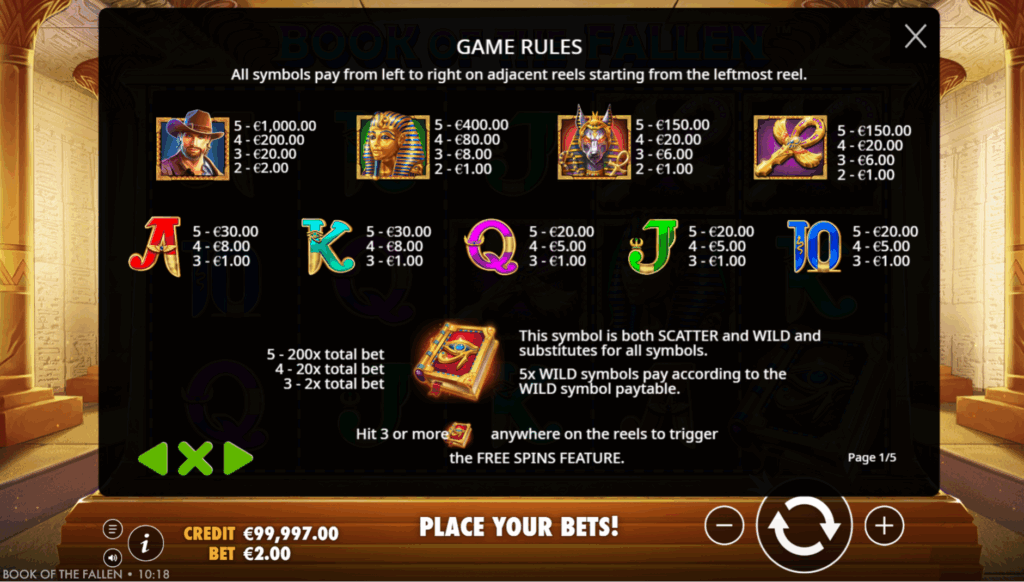
review image 3

Book of the Fallen Casino Bonus Codes Activation Process

Book of the Fallen Casino Bonus Codes Conditions

What Do Book Of The Fallen Reviews Say About The Game

Imagine you read five reviews in a row. The first loves the game, the next hates it, and you're left with: “What's true?” The point is that reviews often reveal more about the player's expectations than about the game itself. Therefore, you should read them as signals, not as definitive answers.

Reviews can be useful when they describe concrete things: pace, feeling of variation, mobile user experience, and how easy it is to keep track of bets and breaks. What you should be careful with are promises and claims that sound like guarantees. Games are about variance, and that variance is experienced differently depending on whether you play for five minutes or an entire evening.

If you play in Denmark, always connect reviews with your own plan: budget, timeframe, and 18+ responsibility. It is not the review that determines whether the experience will be good. Your boundaries do.

How To Read Reviews With A Critical Eye

Imagine someone writes: “I won nothing, so the game is bad.” Another writes: “I hit big, so it's fantastic.” Both describe their session, not the game's average behavior. Therefore, you should look for patterns in the descriptions, not in the conclusions.

Notice if people talk about rhythm and control. Do they mention that it's easy to keep the stake stable? Do they say anything about how the game feels in short sessions? That's information you can use. Conversely, “I got a big win” is a story, not a method.

Once you have read a few, draw your own mini-conclusion: does this game suit my playing style? If the answer is “maybe,” start with a short session and a low stake. That way, you test without committing to a narrative.

Variance, Session Length, And Expectations

Imagine you've set aside 20 minutes. You expect a steady flow, but the game gives you a dry spell. It can feel like “something is wrong,” even though it's just variance. If you're not prepared for fluctuations, you start changing your stake or extending the time - and that's where control slips away.

Variance is about how uneven a game can feel. Some sessions bring many small events, others are quiet. The most important skill is not to guess when it will turn, but to stick to your plan. Stake stability and a fixed end time are two simple tools that make variance easier to manage.

If you want to play longer, plan breaks. Not breaks “when you feel like it,” but breaks after a fixed number of spins or after an alarm. Breaks disrupt the pattern, so you can feel whether you are still playing for entertainment or to chase.

What You Can Measure Yourself Along The Way

Imagine that after a session, you can't remember if you changed your stake three times or ten times. Then it becomes difficult to learn from your own behavior. A simple habit is to make your choices visible to yourself.

Write a very short note before you start: “time, budget, stake.” Along the way: only change your stake if you have decided it in advance. After the session: note whether you stopped when planned. It's not a financial report. It's a behavior check.

You can also measure your experience: did the session feel calm or hectic? Did you feel like extending it? If so, why? These answers are more valuable than the hunt for “the right game,” because they tell you what you actually react to.

When The Game Doesn't Suit You: Alternatives

Imagine you're playing, but you feel yourself becoming impatient. You increase your stake because you want more “action.” That's a clear sign that the game's rhythm doesn't match your situation today. You don't have to force it through.

If you want peace, choose something that feels slower and more stable. If you want short sessions, choose a style where you can stop without feeling like you're interrupting “a long journey.” And if you notice that you're playing to change your mood, not for entertainment, then it might not be a game choice you need at all - but a break.

Choosing an alternative can also mean choosing no session today. It's not a defeat. It's control, and control is the whole point.

Responsible Gaming In Denmark: 18+ And Breaks

Imagine you tell yourself: “I'll stop in a bit.” You don't stop. That happens because “in a bit” is not a plan. In Denmark, responsible gaming (18+) should be practical and concrete: limits, alarms, and breaks that are actually used.

Start with two limits: a money limit and a time limit. The money limit is your budget for entertainment. The time limit is your duration. When one of them is hit, you stop. Not after the next spin. Not after you “just see.” Stop.

If you notice signs of chasing - you want to win back losses, you become restless, you raise your stake to “make it happen” - then take a timeout. A short break may be enough. If you often end up in the same place, use a longer break or self-exclusion. It's not about morality. It's about removing access when your judgment becomes weaker.

In 2026, it's also worth thinking about your environment. Do you play late? Do you play when you're tired? Do you play while scrolling and getting distracted? The more you play in “noise,” the harder it is to maintain limits. Create a small, quiet space for the session - and end it consciously.

Your 10-Minute Plan Before The Next Session

Imagine you only give yourself 10 minutes, not “until it feels finished.” You set a timer, choose a fixed stake, and decide in advance that you will stop when the alarm rings. It sounds simple, but it works because you remove the negotiation in the middle of the game.

Make it even easier: put your phone away during the break, stand up, drink water, and ask yourself: “Do I want to continue because I'm having fun, or because I want to chase?” If the answer is chasing, you stop. If the answer is fun, you can plan a new short session - with the same limits.

This plan suits most people because it's small. Small plans are easy to follow. And when you follow them, the game becomes exactly what it should be: entertainment within 18+ boundaries, not something that takes over your day.

FAQ

How do I understand the payout percentage without misunderstanding it?

See it as an average over many game rounds, not as a promise for your next session. Use the number to compare games in the long term, but still plan with a budget, time limit, and breaks. If you play for short periods, fluctuations will often be more prominent than the average.

What is the best way to set limits before I start?

Choose an amount you can afford to lose as entertainment, and set a clear end time with an alarm. Also, decide on a stop rule if you feel irritation or a desire to chase back losses. Limits work best when set before you get absorbed.

What do I do if I cannot access my account?

Stop trying again and again to avoid temporary lockout. Close the app completely, stabilize your network, and try once more while checking notifications. If you have forgotten your login details, use the recovery flow and then switch to a new, strong password.

How do I avoid depositing more than planned?

Make depositing a decision before the game, not a reaction during the game. Keep your stakes stable, and use a timer so the session doesn't get out of hand. If you feel the urge to deposit more, take a break and only return when you can still stick to your plan.

What do I need to have ready before requesting a withdrawal?

Ensure your information is consistent and that any verifications are completed. Avoid changing payment details right before submitting a request, and follow instructions step by step if documentation is requested. Being precise the first time often saves time.

When does it make sense to take a timeout or a longer break?

When you play to change your mood, when you are chasing losses, or when you frequently break your own limits. A short timeout can break the impulse, while a longer break or self-exclusion may be necessary if the pattern repeats. The goal is to regain calm so you only play when you can control the session.

Play Now
🇬🇧 English